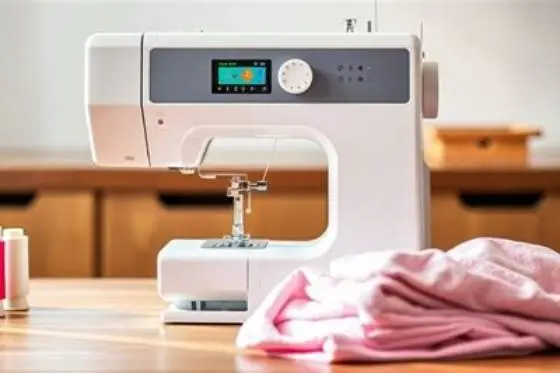
Will it sew dress fabric to denim hems without skipping stitches
The best Singer sewing machine for clothes is a mid-tier computerized model with adjustable presser pressure, true stretch stitches, and a reliable one-step buttonhole. When fitted with the correct needle, thread, and pressure setting for each fabric, it sews lightweight dress fabric without puckering and powers through a folded four-layer denim hem without skipped stitches. No machine does this on every fabric with one setup.
On this page (10 sections)
- Fit check
- The short version
- Top Pick: why a computerized Singer clears the dress-to-denim test
- Stitches: which length, width, and stretch stitches clothes actually need
- Feed and Pressure: how to test chiffon and denim under the foot
- Buttonholes and Stretch Seams: what woven and knit garments need to hold
- Heavy-Duty, Quilting or Vintage: when that Singer helps clothes and when it hurts
- Budget Tiers: cheapest viable Singer for clothes and when to step up
- Comparison: how three current Singers stack up for clothes
- Still wondering?
Part of our guide on best sewing machine for beginners

SINGER® 6700C Heavy Duty Computerized Machine with Accessory Kit
Handles sewing through 4 layers of denim hem and stretch fabrics with adjustable presser pressure and 7
Check it on Amazon
SINGER® 6800C Heavy Duty Computerized Sewing Machine with
Includes 586 stitch applications with stretch stitches and 9 one-step buttonhole styles for sewing denim hems
See this alternative
SINGER® Heavy Duty 4552™ Next Evolution Sewing Machine
Adjustable stitch length and width with 32 built-in stitches including stretch stitches and 1-step buttonhole
See the budget option| Product | presser pressure control | Verdict | |
|---|---|---|---|
| SINGER® 6700C Heavy Duty Computerized Machine with Accessory Kit SINGER | 411 stitch applications including stretch stitches and 7 styles of 1-step buttonholes | Meets it | View on Amazon |
| SINGER® 6800C Heavy Duty Computerized Sewing Machine with Accessory SINGER | 586 stitch applications including stretch stitches and 9 one-step buttonholes | Meets it | View on Amazon |
| SINGER® Quantum Stylist 9960 Computerized Sewing & Quilting Machine SINGER | 600 built-in stitches including stretch stitches and 13 one-step buttonholes | Meets it | View on Amazon |
| SINGER® Heavy Duty 4552™ Next Evolution Sewing Machine SINGER | 32 built-in stitches including stretch stitches and 1-step buttonhole | Meets it | View on Amazon |
| SINGER® 4423 (Meltwater Blue) Heavy Duty Sewing Machine with SINGER | 23 stitches including stretch stitches and 1-step buttonhole | Meets it | View on Amazon |
Key figures
- Garment stitch length
- About 2.5 mm for seams, longer for topstitching - check manual
- Zigzag width
- Adjustable width for finishing - see manual for exact max
- Denim hem test
- 4 layers denim hem with Jeans needle
- Light fabric needle
- 80/12 Microtex
- Denim needle
- 90/14 or 100/16 Jeans
- Buttonhole for clothes
- one-step automatic
The short version
- Garment sewing relies on straight, zigzag, and true stretch stitches with adjustable length and width. Check the manual for exact ranges.
- Adjustable presser pressure plus the right needle size and type reduces puckering and skipped stitches when matched to fabric.
- Woven fabrics need stable one-step buttonholes. Knits need stretch seams that move with the fabric.
- Heavy-duty machines help with denim but limit sheer fabrics and knits. Quilting models help with bulk, not stretch.
Top Pick: why a computerized Singer clears the dress-to-denim test
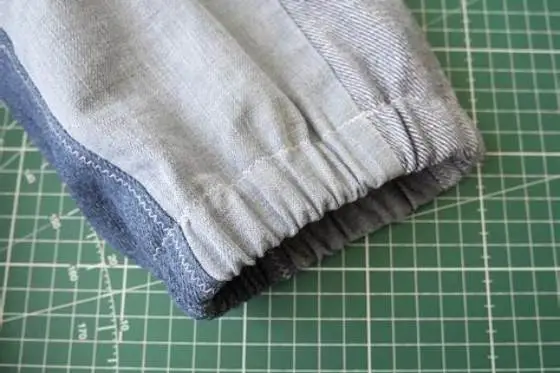
Our pick for the dress-to-denim range is a mid-tier computerized Singer with adjustable presser pressure, true stretch stitches, and a one-step buttonhole. That combination handles sheer dress fabric and a folded four-layer denim hem in one setup. You get this result only with the correct needle, thread, and pressure setting for each fabric.
Stitch length and width control matters more than total stitch count. See the official Singer product page or manual for exact length, width, and lift specs. Specs vary by region and revision, so check your model's PDF before you buy.
Skipped stitches and puckering trace to needle choice and pressure, not motor power. Bring a chiffon scrap and a four-layer denim hem to test. If both feed smooth with the right needle, the machine suits garment sewing.
Stitches: which length, width, and stretch stitches clothes actually need
Clothes use three stitches most of the time. Straight seams, zigzag finishes, and a stretch stitch for knits cover nearly every garment. You adjust length for seam strength and width for edge finishing. It helps to understand sewing 12oz denim machines before going further.
Stretch stitches let knit seams move without popping. A lightning bolt or triple straight stitch stretches with the fabric. Without one, straight seams snap when you pull the garment.
Check the manual for which stretch stitches your model includes. Prioritize adjustable length and width over a high stitch count. That flexibility beats 200 decorative stitches you will not use.
- Straight stitch: about 2.5 mm for seams, 3 to 4 mm for topstitching and basting.
- Zigzag: short length with wider width for edge finishing and elastic.
- Stretch stitches: lightning bolt, triple straight, or overedge for knits.
- Blind hem and overcasting stitches help finish hems and seams without a serger.
SINGER® 6700C Heavy Duty Computerized Machine with Accessory Kit
Handles sewing through 4 layers of denim hem and stretch fabrics with adjustable presser pressure and 7 styles of 1-step buttonholes.
- Size Large
- Width 9.4 inches
- Height 13.6 Inches
Feed and Pressure: how to test chiffon and denim under the foot
Feed dogs and presser pressure move fabric under the foot. Light chiffon needs light pressure and a sharp 80/12 Microtex needle with fine thread. Denim needs more pressure and a 90/14 or 100/16 Jeans needle to punch through layers.
Machines without a pressure dial use automatic pressure. You then swap feet or help fabric through by hand. That works, but results vary more between fabrics.
Test with the standard all-purpose foot first, then try a walking foot for thick hems if you have one. Keep tension at auto or 4, re-thread with the foot up, and listen. Smooth, even feeding sounds quiet and steady.
- Insert a new needle for the fabric: 80/12 Microtex for chiffon, 90/14 Jeans for denim.
- Re-thread top and bobbin with the foot up using 50 wt polyester thread. Set tension to auto or 4.
- Sew chiffon with light pressure and 2.5 mm straight stitch, then denim hem with higher pressure.
- Judge results: chiffon should lie flat with no puckers, denim should show no skipped stitches. Adjust pressure or needle if you see either flaw.
SINGER® 6800C Heavy Duty Computerized Sewing Machine with Accessory Kit
Includes 586 stitch applications with stretch stitches and 9 one-step buttonhole styles for sewing denim hems and delicate fabrics.
- Size Large
- Width 7.5 Inches
- Height 10.9 inches
Most Singers can sew denim or chiffon, but only those with adjustable presser pressure and true stretch stitches handle both without issues.
Buttonholes and Stretch Seams: what woven and knit garments need to hold
Buttonholes and stretch seams decide if a garment lasts. Wovens need dense, even buttonholes that do not gape. One-step automatic buttonholes measure the button and sew without turning the fabric by hand.
Knits need seams that stretch. Straight stitches break when pulled. Use a narrow zigzag, lightning bolt, or triple straight at about 2.5 mm and test by stretching the seam. If threads pop, change the stitch, not the tension.
For wovens, sew buttonholes with stabilizer and a sharp 80/12 needle. For knits, add 0.6 cm seam allowance and use a Stretch or Jersey 80/12 needle. Use a stretch buttonhole if your model offers it.
| Fabric | Needle EU/US | Seam stitch | Buttonhole |
|---|---|---|---|
| Lightweight woven | 80/12 Microtex | Straight 2.5 mm | One-step automatic |
| Medium woven / denim hem | 90/14 Jeans | Straight 3 mm topstitch | One-step automatic |
| Stretch knit | 80/12 Stretch | Lightning bolt or narrow zigzag | Stretch buttonhole |

SINGER® Quantum Stylist 9960 Computerized Sewing & Quilting Machine
Provides 600 built-in stitches including stretch stitches and 13 one-step buttonholes for precise sewing on denim hems and dress fabric.
- Is adult product False
- Weight 15.43 lb
- Height 12.0 Inches
Heavy-Duty, Quilting or Vintage: when that Singer helps clothes and when it hurts
Heavy-duty Singers feed thick denim hems and canvas with less help. They use strong feed and higher lift. They often lack true stretch stitches and a manual pressure dial, so sheer fabrics and knits suffer.
Quilting Singers give you a larger throat, walking foot, and extension table. That helps with bulky coats or quilts. It does not add stretch stitches or better buttonholes for garment sewing.
Vintage all-metal Singers sew a strong straight stitch. They rarely offer wide zigzag, stretch stitches, or automatic buttonholes. That limits knit garments and modern buttonholes.
| Type | Strength for clothes | Weak spot | Best for |
|---|---|---|---|
| Heavy-duty mechanical | Strong feed, higher lift for thick hems | Few or no stretch stitches, often fixed pressure | Jeans, jackets, canvas |
| Computerized garment | Stretch stitches, one-step buttonhole, pressure control on select models | Less power on very thick seams | Dresses to denim hems |
| Quilting | Handles bulk, large throat | Not tuned for knits or buttonholes | Coats, quilts, bulky hems |
| Vintage mechanical | Strong straight stitch | No stretch stitches or auto buttonhole | Simple wovens |
- Computerized garment models cover the full dress-to-denim range when you match needle and pressure.
- Heavy-duty models excel on thick denim hems if you sew mostly heavy wovens.
- Fixed-pressure machines force compromises across light and heavy fabrics.
- Vintage models lack stretch stitches needed for knits.
SINGER® Heavy Duty 4552™ Next Evolution Sewing Machine
Adjustable stitch length and width with 32 built-in stitches including stretch stitches and 1-step buttonhole for sewing denim hems on a budget.
- Size One-Size
- Height 12.0 Inches
- Length 6.25 inches
Budget Tiers: cheapest viable Singer for clothes and when to step up
The cheapest viable Singer for clothes has adjustable stitch length and width, at least one stretch stitch, and a four-step buttonhole. It handles wovens and light knits with the right needles and 50 wt polyester thread. You will sew denim hems slower and practice buttonholes more.
Step up to a computerized garment model if you sew knits weekly or want a reliable one-step buttonhole. You gain more stretch options, needle up/down, and speed control. On select computerized models you also get a manual pressure dial for chiffon. Check the spec sheet to confirm pressure control.
Singer 130/705 H needles and standard feet are easy to find. Keep 80/12 Microtex, 80/12 Stretch, and 90/14 Jeans on hand. Heavy-duty models cost less than computerized ones but waste capability if you sew mostly dresses. Availability shifts by retailer and region, so compare current listings.
- Basic tier costs least and covers wovens with correct needles.
- Computerized tier improves knit handling and buttonhole consistency.
- Basic tier needs more buttonhole practice and manual pressure workarounds.
- Heavy-duty models lack stretch stitch capability for dresses and knits.
Comparison: how three current Singers stack up for clothes
Here are three current Singer models often shortlisted for garment sewing. Specs change by region and revision. See the official Singer product page or manual PDF for exact stitch length, width, and lift. Do not rely on retail listings alone.
Our pick for the dress-to-denim range is the computerized garment model with pressure control and true stretch stitches. The other two suit narrower use. The heavy-duty model favors thick seams but limits knits. The 7258 lacks a manual pressure dial, so chiffon needs more workaround.
Use the table to shortlist, then verify pressure type, stretch stitches, and buttonhole type in the manual before you buy. Test with your own chiffon and denim samples using the feet and tension noted above.
| Model | Adjustable Pressure? | Stitch Length/Width Range | Stretch Stitches | Buttonhole Type | Presser Foot Lift | Source Link |
|---|---|---|---|---|---|---|
| Singer 4423 Heavy Duty | No (fixed/automatic) - check manual | See official Singer product page/manual for exact range | Limited - check manual for list | One-step automatic | See manual for lift height - Singer lists ~6 mm standard lift, higher with extra lift lever if applicable | https://www.singer.com/products/4423-heavy-duty-sewing-machine |
| Singer 9960 Quantum Stylist (Computerized) | Yes (adjustable dial) on select units - verify manual PDF page for your revision | See official Singer product page/manual for exact range | Multiple including lightning bolt - verify manual | One-step automatic | See manual for lift height | https://www.singer.com/products/9960-quantum-stylist |
| Singer 7258 Stylist (Computerized) | No (automatic) - no manual dial per manual | See official Singer product page/manual for exact range | Several stretch stitches - verify manual | One-step automatic | See manual for lift height | https://www.singer.com/products/7258-stylist |
For the dress-to-denim range, pick a computerized Singer with manual presser pressure control, true stretch stitches, and a one-step buttonhole. It handles chiffon without puckering and four-layer denim without skips when you match needle, thread, foot, and pressure. Choose heavy-duty only for mostly heavy fabrics, and basic mechanical only for wovens on a tight budget.
Still wondering?
What stitch length and width do I actually need for clothes?
Most seams use straight stitches around 2 to 3 mm, longer for topstitching. Zigzag width varies for finishing and elastic. Choose a machine with adjustable length and width and check the manual for exact ranges.
Why does my Singer skip stitches on denim but pucker chiffon?
Skips on denim point to a small or dull needle or low pressure. Puckers on chiffon point to high pressure or long stitch length. Use 90/14 Jeans for denim and 80/12 Microtex for chiffon, match pressure, and re-thread with the foot up.
Do I need a heavy-duty Singer for jeans hems?
Heavy-duty helps if you sew mostly jeans and canvas. It feeds four-layer hems well but often lacks stretch stitches and manual pressure control. For dresses to denim, a computerized garment model with pressure control is more versatile.
Is a one-step buttonhole worth it for garments?
Yes if you sew many garments. One-step buttonholes give even results with less practice. Four-step works but needs steady feeding, which is hard on slippery fabrics.
What needle and thread should I buy for the dress-to-denim range?
Use 80/12 Microtex for light wovens, 80/12 Stretch for knits, and 90/14 or 100/16 Jeans for denim, all 130/705 H. Use 50 wt polyester thread. Change the needle at the first skip or burr.