Which Kai scissors cut fabric or embroidery best, and where to buy
Get 8-inch Kai 7250 shears for fabric and 5 1/2-inch Kai 5100 curved embroidery scissors for threads. Long, straight blades glide through fabric in one pass; short, fine points trim jumps cleanly without marking cloth.
On this page (9 sections)
- Fit check
- The short version
- Best Kai scissors: which model fits fabric or embroidery work
- Fabric cutting: why blade length and hand fit decide the cut
- Embroidery trimming: why short, sharp points beat long shears
- 7000 series differences: what the numbers and handles tell you
- Sizes explained: what 5 1/2 inch and 12 inch scissors do best
- Where to buy: how to spot authentic Kai and avoid fakes
- Still wondering?
Part of our guide on tables fitting big quilts

Kai 5210 8-inch Dressmaking Shears (N5210)
Cuts fabric cleanly with an 8 inch overall length that meets the ideal size for quilting cotton in one pass.
Check it on Amazon
Kai 7230 9 Inch Professional Shears
Cuts fabric cleanly with a 9 inch overall length, comfortably clearing quilting cotton in one pass.
See this alternative
Kai 7205 8 Inch Professional Shears
Cuts fabric cleanly with an 8 inch overall length meeting the ideal size for quilting cotton.
See this alternative| Product | overall length (inches) | Verdict | |
|---|---|---|---|
| Kai 5210 8-inch Dressmaking Shears (N5210) KAI | 8 inch overall length meets 8 inch threshold | Meets it | View on Amazon |
| Kai 7230 9 Inch Professional Shears KAI | 9 inch overall length exceeds 8 inch threshold | Meets it | View on Amazon |
| Kai 7250 10 Inch Professional Shears KAI | 10 inch overall length exceeds 8 inch threshold | Meets it | View on Amazon |
| Kai 7205 8 Inch Professional Shears KAI | 8 inch overall length meets 8 inch threshold | Meets it | View on Amazon |
Key figures
- Fabric shear
- 8 inches (20.3 cm) ideal
- Embroidery trimmer
- 5 1/2 inches (14 cm)
- Professional long
- 12 inches (30.5 cm)
- 7000 series
- Dressmaking and quilting
- 5100 series
- Needlework and detail
- Blade steel
- Hardened stainless, vanadium
The short version
- Use 8 to 10-inch shears for fabric, 4 to 5 1/2-inch points for embroidery and appliqué.
- Kai 7000 series numbers rise with length; 5000 series are needlework and detail trimmers.
- Buy from authorized sewing dealers or the Kai-licensed store on Amazon, not random marketplace sellers.
- Keep fabric shears for fabric only and oil the pivot yearly to keep the cut smooth.
Best Kai scissors: which model fits fabric or embroidery work
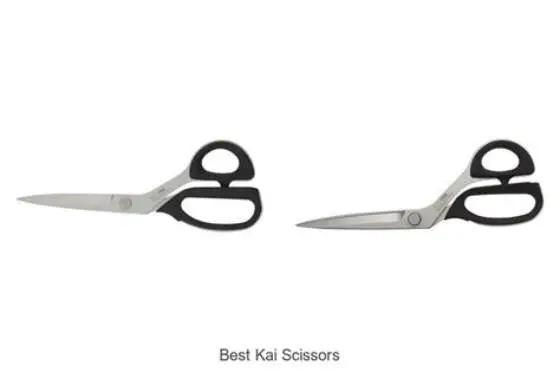
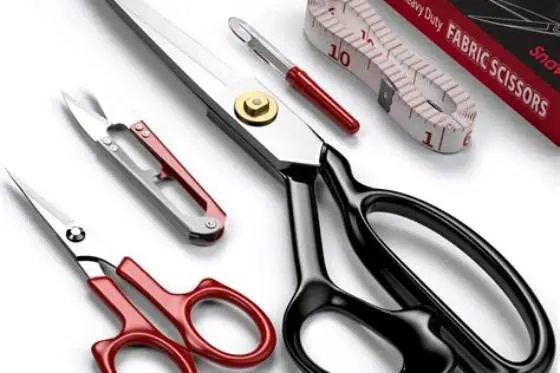
An 8-inch (20.3 cm) straight shear cuts quilting cotton and dress fabric in one smooth pass, while a 5 1/2-inch (14 cm) curved embroidery scissor snips jump threads right at the hoop without nicking the base cloth. You feel the difference in hand right away. The long blade carries the fabric, the short point steers around stitches.
If you sew garments, quilts, or bags, start with Kai 7250 or 7280 from the 7000 series for fabric, and add Kai 5100 or 5100c (curved) for embroidery, appliqué, and thread tails. The 7250 at 10 inches (25.4 cm) suits cutting yardage on a table, the 7280 at 8 inches (20.3 cm) suits smaller sewing rooms and layered pieces. Choose the length that matches your table space and your hand size.
You want both types if you do both jobs. Fabric shears stay sharp when they touch only fabric, and embroidery trimmers stay precise when they touch only threads. I would pick the 7280 for most home sewists and the 5100c curved for anyone with an embroidery machine. That pair covers 90% of sewing room work without crowding your drawer.
Keep your next question in mind before you buy. Blade length is only part of the story, and handle shape decides whether your hand aches after ten minutes. The other half of this decision is finding the right dress form fit.
- Fabric job: long, straight blades, 8-10 inches, low hand pressure over long cuts
- Embroidery job: short, fine points, 4-5 1/2 inches, high control for close trimming
- Rule of thumb: if you lift fabric to cut, the shear is too short
| Task | Best Kai pick | Why it works |
|---|---|---|
| Cutting yardage, quilting, garments | 7250 (10 in) or 7280 (8 in) | Long blade keeps grain straight, fewer re-cuts |
| Trimming embroidery jumps, appliqué | 5100 / 5100c (5 1/2 in) | Fine point reaches tight spots, curved tip lifts thread |
| Heavy layers, denim, canvas | 7280 or 7300 (12 in) if you have table space | More leverage, stays flat on thick stacks |
- 7250/7280 glide through long grain lines without chewing
- 5100c lifts threads away from fabric so you do not cut the ground
- Long shears feel clumsy for close hoop work
- Short trimmers need many passes on yardage
Fabric cutting: why blade length and hand fit decide the cut
You get a clean fabric edge when the blade length (inches) is long enough to keep the cloth flat for most of the stroke. An 8-inch (20.3 cm) shear usually clears a folded fat quarter in one pass, while a 5-inch trimmer needs two or three bites and shifts the grain. That shift shows as tiny steps along the cut line, and it depends on fabric weight, layers, and how you hold the piece.
Kai 7000 series shears use a slightly offset handle that drops the lower blade level with the table. Your hand stays above the fabric and the blade slides under without lifting. The steel is hardened stainless with a touch of vanadium, so the edge holds longer on cotton, linen, and light wool. You still need to keep them away from paper, pins, and plastic templates, which dull any fine edge fast.
Fit matters as much as length. If the finger bow pinches or you stretch to reach the pivot, you will squeeze harder and tire quickly. Try this check at home: open the shear to about 60%, cut a 12-inch (30.5 cm) strip of muslin, and watch your wrist. A good fit leaves your wrist straight and the cut line steady. A poor fit forces a bent wrist and a wavy edge. Before you commit to anything, it is worth looking at best scissors for sewing.
That comfort test points to the next detail. Short trimmers feel nimble for threads but wander on long fabric cuts, and the reason is geometry you can see in the tip.
- Check before you cut: fresh 80/12 or 90/14 needle, re-thread with presser foot up, clean lint from feed dogs
- Cutting check: one steady pull should separate layers; if you saw back and forth, blades need sharpening or you are cutting too many layers
Kai 5210 8-inch Dressmaking Shears (N5210)
Cuts fabric cleanly with an 8 inch overall length that meets the ideal size for quilting cotton in one pass.
- Weight 5 oz
- Is adult product False
- Height 0.7 inches
Embroidery trimming: why short, sharp points beat long shears
You trim embroidery best with 4 to 5 1/2-inch (10.2 to 14 cm) points that meet with almost no pressure. A short blade gives you control within a hoop, around appliqué edges, and between dense stitches. The Kai 5100 straight and 5100c curved are the pair most embroiderers reach for, and the curved tip helps you scoop under a jump thread without touching the ground fabric.
The curved blade (5100c) lifts the thread away from the cloth so you see what you are cutting. Straight points work well for loose tails and general needlework. Both have fine, needle-like tips that close precisely at the end, which is where cheap trimmers fail. If tips gap or overlap, they push threads instead of cutting them, and you tug and pucker the design.
Use the right grip for close work. Hold the trimmer like a pencil near the pivot, rest your hand lightly on the hoop, and snip with the last quarter inch of the blade. You will hear a soft tick as the thread parts. If you hear a crunch or you see fabric dimple, you are biting too deep or your points have dulled.
That precision has limits. A 5 1/2-inch trimmer will not replace a dressmaking shear, and the 7000 series numbers tell you why the two families feel so different.
Kai 7230 9 Inch Professional Shears
Cuts fabric cleanly with a 9 inch overall length, comfortably clearing quilting cotton in one pass.
- Size 9 inches
- Length 4.4 inches
- Height 0.85 inches
One pair of shears cannot do both jobs well, and using the wrong length is why your fabric frays or your embroidery puckers.
7000 series differences: what the numbers and handles tell you
Kai 7000 series shears share the same steel and offset handle shape, but the model number (7205, 7250, 7280) rises with overall length in inches and blade length. A 7205 is about 8 inches (20.3 cm) with a shorter blade and smaller bow, a 7250 is 10 inches (25.4 cm) with a longer straight blade, and the 7300 is 12 inches (30.5 cm) for professional table cutting. Weight and leverage grow with length, so a longer shear cuts heavy stacks with less hand force but needs more table space.
Handles also vary a little by generation. Most 7000 shears have a large, soft-feel lower bow and a smaller upper bow that fits fingers without pressure points. Some sellers list a left-handed version marked with an L. If you are left-handed, get the true left-hand grind, not just a flipped handle, or the blades will push fabric apart instead of shearing it.
Think of the 5000 series as the needlework family and the 7000 as the dressmaking family. The 5000 trimmers like 5135 (5 1/2-inch) and 5100 share short, slender blades and light weight for detail work. The 7000 shears share long, stable blades for yardage. That split is the simplest way to choose without memorizing every number.
Length alone does not explain price or feel, so a side-by-side of the common picks helps you see the trade-offs before you order.
| Model | Overall length | Best for | Handle note |
|---|---|---|---|
| Kai 7205 | 8 in (20.3 cm) | General sewing, small tables | Compact, lighter |
| Kai 7250 | 10 in (25.4 cm) | Quilting, garments, yardage | Full offset, steady glide |
| Kai 7300 | 12 in (30.5 cm) | Professional, long straight cuts | Heaviest, needs table space |
| Kai 5100 / 5100c | 5 1/2 in (14 cm) | Embroidery, appliqué, threads | Fine point, straight or curved |
| Kai 5135 | 5 1/2 in (14 cm) | Needlework, tight curves | Slim, very light |
- 7000 series holds edge longer on woven cottons and linens
- 5100c curve gives clear view of thread before you cut
- 7300 feels heavy and long in a small sewing room
- 7205 can feel short on wide quilting cuts

Kai 7250 10 Inch Professional Shears
Offers a longer 10 inch overall length providing extra leverage for cutting fabric cleanly on a table.
- Size 7250
- Weight 8.5 oz
- Height 0.95 Inches
Sizes explained: what 5 1/2 inch and 12 inch scissors do best
A 5 1/2-inch (14 cm) embroidery scissor is built for visibility and tip control. The blades are short, the points are fine, and the weight is light so you can hover over a hoop and snip one thread at a time. You use it for jump threads, bobbin tails, appliqué turn edges, and clipping curves on small patches. It lives near your machine, not on the cutting table, and it should never touch paper.
A 12-inch (30.5 cm) professional shear is built for long, straight cuts on a flat table. The blade is long enough to keep a yard of quilting cotton or coating flat while you pull through in one stroke. You gain speed and a straighter grain line, but you need clear table space and a steady hand. For most home rooms, a 10-inch shear gives most of that benefit with less fatigue and easier storage.
Mid sizes fill the gap. An 8-inch (20.3 cm) shear like the 7205 or 7280 handles garment pieces, linings, and layered quilting where you turn often. A 6 1/2-inch (16.5 cm) craft shear suits templates and smaller hands. Match the shear to the size of the piece you cut most, and to the hand that holds it.
Size also affects care and sharpening. Longer blades stay sharp longer on fabric but cost more to sharpen, and they need a straight, protected drawer or sheath.
- 5 1/2-inch: machine side, threads and tight curves, very light touch
- 8-inch: everyday fabric shear for garments and quilts
- 10-inch: faster yardage cutting with good control
- 12-inch: professional length for wide goods and long tables

Kai 7300 12 Inch Professional Scissors
Has a 12 inch size but the overall length is 11.811 inches which is longer than needed and may require more space.
- Weight 12 oz
- Size 12 inches
- Height 0.03 inches
Where to buy: how to spot authentic Kai and avoid fakes
You find authentic Kai scissors through authorized sewing dealers, reputable quilting shops, and the Kai-licensed storefront on Amazon. Authorized sellers list the full model number, show the Kai logo on the blade, and pack with a Kai card and sheath. If a listing hides the model number, uses stock photos only, or shows a price far below the usual mid-range for that size, shop elsewhere.
Check the listing details before you click buy. The title should state Kai and the model like Kai 7250 10-inch Dressmaking Shears, the bullets should name stainless vanadium steel and overall length in inches (in) and centimetres (cm), and the photos should show the Kai mark etched near the pivot on both sides. The weight in the specs should feel plausible for steel shears, not light like plastic craft scissors.
Marketplace fakes often copy the look but miss the finish. Tips do not meet, the pivot screw looks rough, the logo is printed rather than etched, and the edge folds fabric instead of cutting it. If you already bought a pair that snags, test on a single layer of quilting cotton. A real Kai glides and leaves a clean edge with light pressure; a fake needs force and leaves chewed fibers.
A careful check at checkout saves a return later. Use a short, clear routine every time you order so you do not have to guess.
- Search the shop or dealer name plus Kai authorized dealer and confirm they appear on the distributor list
- Match model to length: 5100 is 5 1/2 in, 7280 is 8 in, 7250 is 10 in, 7300 is 12 in
- Read the bullet points for steel type and length, and look for etched Kai logo photos, not renders
- Keep the sheath and card for warranty, and keep fabric shears away from paper and pins
Best all-around pair: Kai 7280 for fabric and Kai 5100c curved for embroidery; add a 7250 or 7300 only if you cut wide yardage often.
Still wondering?
Can I use one Kai shear for both fabric and embroidery?
You can, but you will not get the best result. Long shears hide the tip in a hoop and clip stitches, while short trimmers shift fabric on long cuts. Keep one of each and keep fabric shears for fabric only.
What is the difference between Kai 7205 and 7250?
Both are 7000 series dressmaking shears with the same steel and offset handle. The 7205 is about 8 inches (20.3 cm) and lighter for small tables, the 7250 is 10 inches (25.4 cm) with a longer blade for faster yardage cuts.
Are Kai 5100 and 5100c the same length?
Yes. Both are 5 1/2 inches (14 cm). The 5100 is straight, the 5100c is curved. The curve lifts threads away from fabric so you see the cut, which helps in a hoop.
Where is the safest place to buy authentic Kai scissors online?
Buy from an authorized sewing or quilting dealer website or the Kai-licensed store on Amazon. Look for the full model number, etched Kai logo photos, and proper packaging with a sheath and card.
Do I need 12-inch Kai shears at home?
Most home sewists do not. A 12-inch (30.5 cm) shear shines on wide goods and long tables, but it feels heavy in a small room. An 8 or 10-inch shear covers garments and quilting with less fatigue.