Cotton takes dye, polyester stays pale: what your fabric needs
Use Rit All-Purpose dye with hot water (140-160°F/60-71°C) for cotton and modal, and Rit Synthetic dye with boiling water (about 212°F/100°C) for polyester. Measure dye by fabric weight, maintain stirring, and fix color with salt or vinegar depending on the fiber for lasting results, following Rit package instructions.
On this page (8 sections)
- The short version
- Which Rit formula fits your fiber: All-Purpose for cotton/modal vs Synthetic for polyester
- How much liquid vs powder dye and water per pound of dry fabric
- Water temperature, salt or vinegar, and time for each fiber type
- Tub vs washing machine steps that prevent streaks and spots
- How to rinse and set dye so it holds and stops bleeding
- Why polyester stays pale or cotton dyes unevenly and how to fix it
- Still wondering?
Part of our guide on fabric markers for black fabric
Key figures
- Rit formula cotton
- All-Purpose
- Rit formula polyester
- Synthetic
- Water temp cotton
- 140-160°F (60-71°C)
- Water temp polyester
- 212°F (100°C)
- Dye per fabric
- 1 bottle or box per 2 lb dry fabric
- Fixer cotton
- Salt added to dye bath
- Fixer polyester
- None (heat sets dye)
The short version
- Cotton and modal require Rit All-Purpose dye with hot water and salt added to the dye bath for color fixation.
- Polyester needs Rit Synthetic dye with boiling water for proper bonding and vibrant color.
- Follow Rit package guidelines for dye amount: one 8-oz bottle or one powder box covers up to 2 pounds of dry fabric; adjust per desired shade and fabric weight.
- Stir fabric continuously or frequently during dyeing to avoid streaks.
- Rinse fabric thoroughly in cold water until runoff is clear to remove excess dye before setting color.
Which Rit formula fits your fiber: All-Purpose for cotton/modal vs Synthetic for polyester
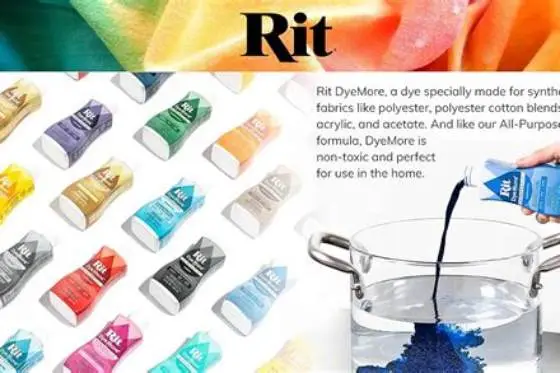
Rit All-Purpose dye works on natural fibers such as cotton, linen, and modal. It bonds best with cellulose fibers when used with hot water (140-160°F) and salt added to the dye bath for fixation.
Polyester and other synthetic fibers require Rit Synthetic dye. This dye works only with boiling water to open fibers for proper bonding. Using All-Purpose dye on polyester results in weak, uneven colors.
Check your fabric’s fiber content on the label or test if unknown. Natural fibers like cotton, rayon, and linen take All-Purpose dye well, while polyester, nylon, and acrylic need Synthetic dye. Blended fabrics may dye unevenly and often require testing or layered dyeing.
| Fiber type | Rit formula | Water temperature | Color result |
|---|---|---|---|
| Cotton, modal, linen | All-Purpose | 140-160°F (60-71°C) | Vibrant, even |
| Polyester, nylon, acrylic | Synthetic | 212°F (100°C) | Bright if water stays boiling |
| Blends (cotton/polyester) | Test or layered dyeing | Varies | May dye unevenly |
How much liquid vs powder dye and water per pound of dry fabric
Per Rit All-Purpose label, one 8-ounce bottle of liquid dye or one box of powder dyes up to 2 pounds (0.9 kg) of dry fabric. Adjust your amount based on fabric weight and desired color depth following the package chart. We cover dyeing wool with acid dyes in its own article.
Use enough water to allow the fabric to move freely in the dye bath. Rit recommends about 3 gallons (11.4 L) of water per pound of fabric in a large pot or tub. Avoid crowding to prevent uneven color.
For cotton and similar fibers, add 1 cup of salt per gallon of dye bath water as directed on the package. For nylon and silk, Rit Synthetic instructions call for 1 cup vinegar per gallon when setting dye, but vinegar is not recommended for cotton with All-Purpose dye.
Dissolve powder dye completely in hot water before adding it to the main dye bath to avoid specks on fabric. Weigh your dry fabric accurately and measure water volume carefully to maintain the correct ratios. People in this spot often ask about fabric for tie dye as well.
| Fabric weight (dry) | Liquid dye | Powder dye | Water volume |
|---|---|---|---|
| 1 lb (0.45 kg) | Half bottle (4 oz) | Half box | About 3 gallons (11.4 L) |
| 2 lb (0.9 kg) | 1 bottle (8 oz) | 1 box | About 6 gallons (22.7 L) |
| 4 lb (1.8 kg) | 2 bottles (16 oz) | 2 boxes | About 12 gallons (45.4 L) |

Soft 'n Style Digital Color Scale
Measures fabric weight accurately with a tare function and capacity up to 5000 g/11 lb, suitable for precise dye and water ratios.
Water temperature, salt or vinegar, and time for each fiber type
Cotton and other natural fibers need dye bath temperatures between 140°F and 160°F (60-71°C). Add salt as fixative to help the dye bond with the fabric, per Rit All-Purpose instructions.
Use 1 cup of salt per gallon of water in the dye bath for cotton and linen fabrics, following the package directions closely.
Polyester and other synthetics require boiling water at about 212°F (100°C). No fixative like salt or vinegar is needed because the dye bonds chemically at this high temperature.
Dye cotton for 30 to 60 minutes, maintaining steady heat and frequent stirring. Polyester requires 30 to 60 minutes at a rolling boil with constant stirring for even color.
Keep water temperature steady throughout dyeing to avoid uneven or pale results. Use a thermometer to monitor and adjust heat as needed.
| Fabric type | Water temp | Fixative | Dye time |
|---|---|---|---|
| Cotton, modal | 140-160°F (60-71°C) | 1 cup salt per gallon | 30-60 minutes |
| Polyester, nylon | 212°F (100°C) | None | 30-60 minutes |
Exact dye formulas and water, temperature, and fixative amounts for cotton and polyester keep your colors vivid and even every time.
Tub vs washing machine steps that prevent streaks and spots
Dyeing fabric in a tub lets you stir continuously or frequently, which prevents streaks and uneven patches.
The washing machine method uses hot cycles to agitate fabric and dye. It works well for cotton and blends but can cause uneven color if the load is too large or fabric doesn’t move freely.
Avoid crowding fabric in either method to allow full movement and even dye coverage. Limited movement traps dye in folds, causing blotches.
For small projects, use a large pot or sink with a stirring tool. For larger fabric amounts, the washing machine is faster but less precise.
Stir fabric continuously for the first 10 minutes in a tub, then stir frequently afterward. Lift and turn fabric to avoid creases where dye won’t penetrate.
In the washing machine, use only 1 to 3 pounds of fabric and set the hottest cycle within the temperature range recommended by Rit. Add dissolved dye first, run the machine empty for 5 minutes to coat the drum, then add wet fabric. Pause mid-cycle to check for streaks and adjust if needed. Clean the drum after with hot bleach water and a hot cycle to prevent staining.
| Method | Stirring needed | Best for | Risk of streaks |
|---|---|---|---|
| Tub | Continuous or frequent | Small to medium fabric | Low with proper stirring |
| Washing machine | Automatic agitation | Medium to large fabric | Higher if overloaded or fabric clumps |
How to rinse and set dye so it holds and stops bleeding
Rinse fabric under cold water until the water runs clear to remove excess dye that could stain other clothes.
Cotton and similar fibers benefit from soaking in a vinegar solution after rinsing to help set the dye and reduce bleeding. Use 1 cup white vinegar per 4 cups cold water and soak for 15 minutes, stirring gently.
Polyester dye sets during the boiling dye bath, so thorough rinsing is sufficient without vinegar.
Dry dyed fabric away from direct sunlight to prevent fading. Wash it separately for the first few cycles to avoid staining other items.
Rinse fabric first in cold water, then gradually increase rinse water temperature up to about 80°F (27°C) to pull loose dye without shocking fibers. Test by pressing a white paper towel to the wet fabric; no color transfer after 10 seconds means rinsing is complete. Repeat rinsing if color bleeds.
Skip high heat drying for the first wash and wash cotton fabric alone in multiple cycles to ensure excess dye is removed. This helps the color hold longer.
- Rinse fabric in cold water until water runs clear.
- For cotton, soak in vinegar solution for 15 minutes.
- Rinse again briefly in cold water.
- Air dry or tumble dry on low away from sunlight.
Why polyester stays pale or cotton dyes unevenly and how to fix it
Polyester remains pale if you use All-Purpose dye, which does not bond well with synthetic fibers. Use Rit Synthetic dye with boiling water instead.
Cotton dyes unevenly if fabric is not stirred enough, dye bath temperature is too low, or the fabric is not prewashed to remove finishes like sizing or fabric softener.
Prewash fabric with detergent and no softener to remove substances that block dye absorption. Wet fabric thoroughly before dyeing to ensure even color.
Maintain a stable temperature between 140°F and 160°F (60-71°C) for cotton dye baths. Stir fabric continuously for the first 10 minutes, then frequently afterwards. Lift and turn fabric to avoid creases.
If polyester stays pale after 30 minutes at a boil, the temperature likely dropped below 200°F or the load was too large. Keep a rolling boil and fabric fully moving in about 3 gallons of water per pound of fabric. Reheat as needed and stir constantly.
Test a small swatch before dyeing large amounts to compare wet and dry color, since dry cotton typically looks lighter.
Still wondering?
Can I dye blended fabrics with Rit?
Blended fabrics dye unevenly because natural and synthetic fibers absorb dye differently. Use the Rit formula best suited for the dominant fiber or dye in stages, but expect some color variation.
How do I test my fabric's fiber content?
Burn a small fabric edge carefully: cotton smells like burning paper and leaves soft ash, polyester melts and smells sweet. Or check the label or ask the seller.
Can I use cold water for dyeing?
Cold water results in poor dye uptake and pale colors. Heat activates dye bonding, so use hot water for natural fibers and boiling for synthetics.
Is it necessary to use salt or vinegar every time?
Salt helps fix color on cotton and other natural fibers when added to the dye bath, per Rit instructions. Vinegar sets dye for nylon and silk after rinsing. Polyester dye sets by heat alone.
Why does my dyed fabric bleed color in the wash?
Incomplete rinsing or insufficient fixation causes bleeding. Rinse fabric thoroughly until the water runs clear, and use fixatives as directed for natural fibers to lock in dye.