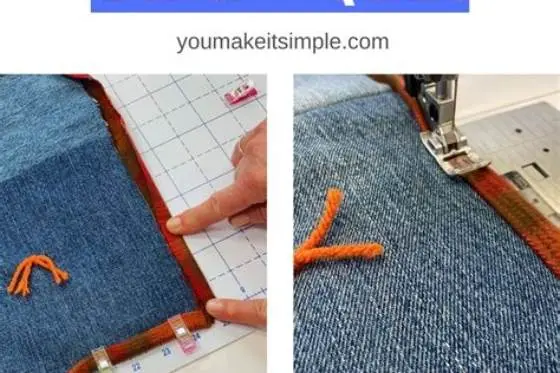
Mini, steam or cordless: which iron holds quilting seams flat
Choose an iron weighing around 12 to 16 ounces with a pointed tip to hold quilting seams flat without dragging. Use steam for yardage but press dry on bias seams and wool mats for best results.
On this page (8 sections)
- Fit check
- The short version
- Which iron holds quilting seams flat
- When to press dry vs with steam for piecing, bias seams and yardage
- Mini vs full-size iron: where each wins for quilting
- Cordless vs corded iron: heat recovery and shutoff trade-offs
- Which soleplate, steam burst and shutoff features matter for quilting irons
- Still wondering?
Part of our guide on sewing machine for quilting

PIOMATIC Travel Iron Mini with Steam for Clothes with Dual
Weighs 1.0 pound (16 oz) exactly, meeting the upper limit for mid-weight irons, suitable for mini steam iron
Check it on Amazon| Product | iron weight in ounces | Verdict | |
|---|---|---|---|
| PIOMATIC Travel Iron Mini with Steam for Clothes with Dual Voltage PIOMATIC | 1.0 pound = 16 oz, meets 16 oz threshold | Meets it | View on Amazon |
| Dritz Mighty Travel Steam Iron for Quilting Dritz | 1.146 pounds = 18.34 oz, slightly above 16 oz | Short by 15% | View on Amazon |
Key figures
- Ideal iron weight
- 12-16 oz (user consensus)
- Pointed tip size
- narrow to medium
- Steam use
- on yardage only (recommended)
- Cordless heat recovery
- typically 2-4 min (check specs)
- Auto shutoff
- varies by model, often 8-10 min
The short version
- Weight between 12-16 oz generally balances seam control and fabric care.
- Dry pressing bias seams avoids stretching and distortion.
- Steam helps flatten bulky yardage but can stretch bias edges, so use sparingly.
- Mini irons work well on wool mats; full-size irons suit yardage.
- Cordless irons offer portability but may have slower heat recovery.
Which iron holds quilting seams flat
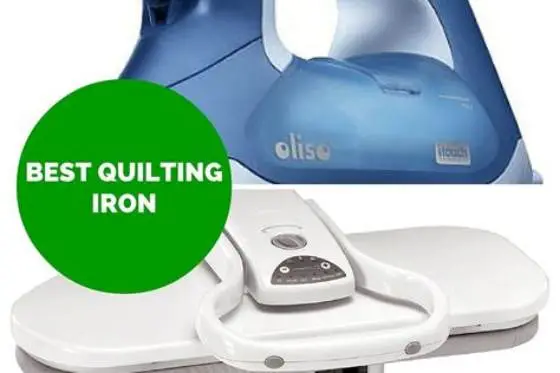
An iron weighing between 12 and 16 ounces (340-450 grams) is a common recommendation among quilters and experts. This range generally provides enough weight to hold seams flat without dragging delicate quilt blocks. Heavier irons risk stretching pieced blocks, while lighter ones might not press seams firmly enough.
The iron’s tip should be pointed and narrow to reach tight seams, especially on small blocks. This shape helps you press seams open or to one side without distortion, which is important for precise quilt blocks.
Avoid irons over 20 ounces for piecing since they may flatten seams too aggressively and drag fabric, causing misalignment. A wool pressing mat under the fabric helps by absorbing moisture and heat, letting the iron do a steady, even job.
For pressing large yardage, a heavier, full-size iron weighing 16 to 25 ounces suits better as it smooths fabric without repeated passes. Before you commit to anything, it is worth looking at clearing thresholds for presser control.
PIOMATIC Travel Iron Mini with Steam for Clothes with Dual Voltage
Weighs 1.0 pound (16 oz) exactly, meeting the upper limit for mid-weight irons, suitable for mini steam iron use.
- Size Standard
- Height 0.1 Inches
- Length 6.7 inches
When to press dry vs with steam for piecing, bias seams and yardage
Press bias seams dry on a wool mat to avoid stretching. Bias edges run diagonally and stretch easily when damp. A dry press with a moderate-weight iron sets seams neatly without fabric distortion.
Steam suits yardage or bulky seams. It relaxes fibers and flattens thick layers. Use steam sparingly on pieced blocks to prevent fabric warping or shifting seams.
Test steam effects on scrap fabric first. Quilting cotton usually tolerates steam on yardage but not fine piecing. Adjust your iron’s heat and steam to your fabric’s reaction. We cover mini iron for sewing in its own article.
Set your iron to a dry setting around 300 to 320°F (150-160°C) for pieced cotton blocks on wool mats. For yardage or backing, raise the temperature near 350°F (177°C) with steam to relax fibers quickly. Press a 4-inch test square dry first, then measure it; it should not change size if the temperature is right.
Count seams before steam pressing. Blocks with many seams trap moisture, making steam linger and warping fabric. Compare by pressing one block dry and another with a short steam burst. The steamed block may widen slightly, showing bias edges stretching.
Mini vs full-size iron: where each wins for quilting
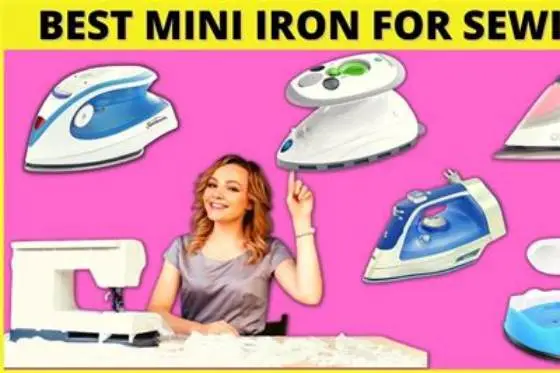
Mini irons weighing 8 to 12 ounces work well on wool mats for piecing small quilt blocks. Their small soleplate and light weight let you press seams precisely without flattening blocks or dragging fabric. People in this spot often ask about quilt as you go as well.
Full-size irons over 16 ounces suit pressing large quilt sections or yardage. They smooth fabric faster due to larger soleplates and hold heat longer. However, they can be cumbersome for intricate piecing.
At quilting retreats, portability matters. Mini irons win for travel due to smaller size and lighter weight, but they can lose heat quickly and may need frequent reheating.
For home studios with space, a full-size iron offers steady performance for all quilting stages except fine piecing. It helps to understand binding a quilt before going further.
Balancing weight, size, and soleplate shape to your task reduces strain and improves seam accuracy.
Match soleplate length to block size and you’ll save time. A mini iron with a 4 to 5-inch plate covers a 6-inch block in two passes without touching nearby seams. A full-size iron with an 8 to 9-inch plate clears a 42-inch wide backing in long strokes but can flatten small blocks. Test both irons on one block and check if corners stay square after pressing.
| Feature | Mini Iron | Full-size Iron |
|---|---|---|
| Weight | 8-12 oz | 16-25 oz |
| Best use | Small blocks on wool mat | Pressing yardage, large sections |
| Heat retention | Lower, reheats quickly | Higher, steady heat |
| Portability | Highly portable | Less portable |
| Soleplate size | Small, pointed tip | Large, broader tip |
Match iron weight, tip shape, steam use, and portability to quilting tasks for flat seams and smooth pressing.
Cordless vs corded iron: heat recovery and shutoff trade-offs
Cordless irons offer freedom to move around a sewing space or retreat. Many models recharge in about 2 to 4 minutes between uses, but this varies widely. Check manufacturer specifications for your iron’s exact recharge time.
Corded irons provide continuous, consistent heat ideal for large quilts or long pressing sessions. They often have auto shutoff features that activate after a set time of inactivity, commonly between 8 and 10 minutes.
Cordless models usually have smaller soleplates to aid portability. This can slow yardage pressing but helps piecing tasks. Choose cordless irons weighing similarly to corded ones to avoid drag or fabric stretching.
Pick cordless if your project requires moving around or travel. Stick to corded irons for pressing large quilt components at home.
Cordless bases may take 90 to 120 seconds to reach pressing temperature after 30 seconds of use. You’ll notice seams springing back if the soleplate temperature drops below pressing heat. Wait for the ready light and test by pressing a scrap fabric with a damp cloth to hear a faint sizzle.
Auto shutoff times differ by model. Corded irons often shut off after 8 minutes of inactivity, requiring 45 to 60 seconds to reheat. Cordless models may shut off sooner, around 3 to 4 minutes, to conserve battery. To avoid delays, tap the iron every few minutes during breaks.
Which soleplate, steam burst and shutoff features matter for quilting irons
Choose irons with a pointed or narrow soleplate to navigate seams and fabric folds cleanly. Rounded or wide tips make precise pressing harder and risk dragging or shifting piecing.
A steam burst feature lets you target stubborn seams or yardage without soaking fabric. Controlled bursts are better than continuous steam, which can warp quilt blocks.
Auto shutoff usually activates after 8 to 10 minutes to reduce fire risk, but check your iron’s recovery time so it’s ready when you need it. Some models include alert beeps or lights.
Non-stick soleplates prevent adhesive build-up from fusible web or thread lint, keeping your iron gliding smoothly.
Ceramic soleplates glide easily over starch and fusible residue, while stainless steel holds heat slightly longer for thick seams. Continuous steam rates of 15 to 25 grams per minute suit yardage, and bursts of 70 to 90 grams help with tough folds. Dial steam to zero when piecing to keep heat dry.
Weight and shutoff work together. An iron weighing 14 to 16 ounces presses seams flat using its own weight, reducing the need to push and stretch blocks. If shutoff cools the iron, pressing harder may bow the block. Check with a ruler for dips and keep the iron hot for best results.
A mid-weight pointed-tip steam iron balances seam control and versatility for quilting tasks.
Still wondering?
Can I use a heavy steam iron for all quilting tasks?
Heavy steam irons risk stretching seams and dragging fabric on small pieced blocks. They work better for pressing large yardage. Use lighter irons for detailed piecing.
How do I know if I should press seams open or to the side?
Press seams open to reduce bulk when possible. On bias seams or thick fabric layers, press to the side. Wool mats help set seams flat either way.
Is a cordless iron practical for daily quilting?
Cordless irons offer portability and suit small tasks or retreats. For long pressing at home, corded irons provide more consistent heat and less downtime.
Why avoid steaming bias seams?
Steam relaxes fabric fibers but can stretch bias edges, causing block distortion. Dry pressing sets seams firmly without moisture, preserving shape.
What maintenance keeps my quilting iron performing well?
Clean the soleplate regularly to avoid sticky residues. Use distilled water in steam irons to prevent scaling. Store your iron dry to protect electronics.