Which sewing machine features help beginners finish projects easily
Pick by ease, not brand. The best sewing machine for beginners has a drop-in bobbin with a clear cover so you can spot thread issues quickly. It also features an auto needle threader, adjustable presser foot pressure, and about 10 useful stitches including a one-step buttonhole. These features help you spend more time sewing and less time fixing thread problems.
On this page (7 sections)

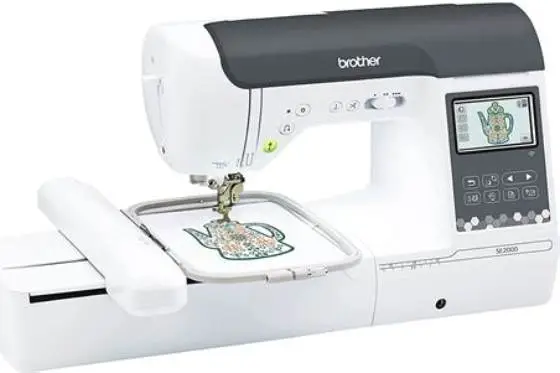
Brother Sewing Machine, XM2701, Portable Sewing Machine, 27
Stops your first seams from jamming and skipping with 27 built-in stitches including zigzag, stretch and an
Check it on Amazon
Brother CS7000X Sewing and Quilting Machine LCD Display
Handles straight, zigzag, stretch and hems without menus with 70 built-in stitches, 7 one-step buttonholes
See this alternative
Janome Arctic Crystal Easy-to-Use Sewing Machine with Interior
Keeps fabric feeding evenly without nesting with 15 built-in stitches and a 4-step buttonhole for hems and
See the heavy-duty one| Product | built-in stitch count (stitches) | Verdict | |
|---|---|---|---|
| Brother Sewing Machine, XM2701, Portable Sewing Machine, 27 Stitches Brother | 27 stitches vs 10 needed | Meets it | View on Amazon |
| Brother CS7000X Sewing and Quilting Machine LCD Display Brother | 70 stitches vs 10 needed | Meets it | View on Amazon |
| Janome Arctic Crystal Easy-to-Use Sewing Machine with Interior Metal Janome | 15 stitches vs 10 needed | Meets it | View on Amazon |
| Brother XM3700 Sewing Machine 37 Built-in Stitches Brother | 37 stitches vs 10 needed | Meets it | View on Amazon |
Key figures
- Core stitches
- About 10 stitches
- Presser feet
- At least 4 feet
- Needle to start
- 80/12 universal
- Thread weight
- 50 wt polyester
- Bobbin type
- Drop-in with clear cover
- Fix first
- New needle, re-thread with foot up
The short version
- Drop-in bobbin with clear cover lets you see and fix thread issues fast.
- Adjustable presser foot pressure and at least four feet handle cotton, knits, and denim.
- You only need about 10 good stitches: straight, zigzag, stretch, blind hem, and buttonhole.
- Use the Sewing Machine Matchmaker tool with four questions to find a machine suited to your sewing.
Learning curve: how machine ease shapes your progress
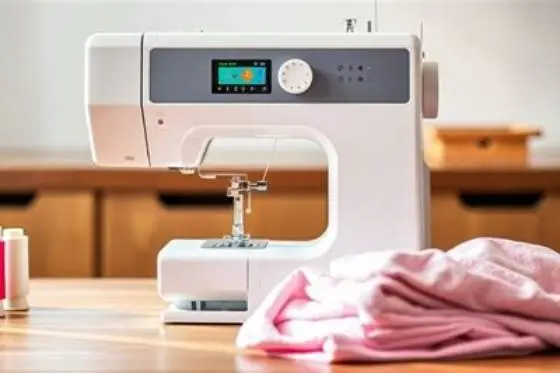
Machines that thread clearly and feed smoothly help you finish your first projects sooner. When threading is tricky or the bobbin is hidden, you spend more time fixing errors and less time sewing. Ease shortens the time between trying and seeing a straight seam, so you practice more.
Speed control changes learning a lot. A slider or foot pedal that holds a slow, steady pace helps you guide curves and stop at corners without jerks. Check your model’s specifications and test the slowest speed in person. A needle up/down feature keeps the needle in fabric when pivoting, so corners stay sharp. Machines with only one fast speed can be harder to control, causing uneven seam allowances.
Noise, light, and placement matter for longer sewing sessions. A bright LED over the needle, a flat bed suitable for quilting cotton, and a stable table reduce eye strain and fabric drag. If you sew at a kitchen table, choose a lighter machine you can lift easily. Pick ease you feel every time you sew, not features you use once.
Presser foot pressure changes how cotton, knits, and fleece feed, so adjustable pressure saves rip-outs. Set pressure to 3 or 4 for quilting cotton, lower to 1 or 2 for bulky fleece so it doesn't stall. Too much pressure on knits leaves wavy seams, too little on cotton leaves uneven feeding and short stitches. Sew a test strip, then lift it flat, if it waves or puckers, tweak pressure by one number and sew again. We cover best embroidery machine in its own article.
Best sewing machine for beginners: models, prices, and who they fit
Here are three beginner-friendly machines to consider. Prices vary by retailer and promotions; check current listings for accuracy.
The Singer Start 1304 is a basic mechanical machine with six stitches, a drop-in bobbin, and four presser feet. It costs around $150. It suits beginners with tight budgets who want to mend clothes and sew simple projects.
The Brother XM2701 offers about 27 stitches, including a one-step buttonhole, an auto needle threader, and adjustable presser foot pressure. It comes with multiple presser feet and costs about $230. This model suits learners who want some stitch variety and ease features without complexity. There is more on heavy duty beginner machine in a separate guide.
The Janome Magnolia 7318 provides 18 built-in stitches, adjustable presser foot pressure, and a drop-in bobbin with a clear cover. It includes four presser feet and a sturdy metal frame. Priced near $400, it fits beginners aiming to sew garments, quilting cotton projects, and light denim.
All these machines accept standard 80/12 and 90/14 needles and include manuals with threading guides. Check for local service options and warranty coverage before buying.
Budget $30 to $50 extra for starter supplies, that covers a pack of 80/12 and 90/14 needles, three bobbins, and good polyester thread. One spool of 50 wt thread sews about 800 to 1,000 inches of straight seams, so two spools finish a simple quilt top. Cheap thread breaks and sheds lint, which jams the bobbin case and costs you time. Buy thread and needles from the same shop that services your machine, then you get matching advice when tension acts up. People in this spot often ask about reducing thread nesting as well.
Brother Sewing Machine, XM2701, Portable Sewing Machine, 27 Stitches | Easy
Stops your first seams from jamming and skipping with 27 built-in stitches including zigzag, stretch and an auto-size buttonhole.
- Is adult product False
- Size XM2701
- Length 5.9 inches
How to test beginner machines in store or at home
Spend five minutes trying these actions before you buy. First, thread the machine with the presser foot raised. Check if the threading path is clear and easy to follow.
Wind a bobbin and insert it as the manual directs. See if the bobbin thread feeds smoothly and is easy to spot through a clear cover.
Sew a six-inch straight seam on two layers of quilting cotton using a new 80/12 needle and 50 wt polyester thread. Watch for thread nests, skipped stitches, or fabric feeding problems. It helps to understand beginner friendly computerized machines before going further.
Test stitch length and width controls. Make a zigzag stitch and a one-step buttonhole if available. Adjust presser foot pressure and see if the fabric moves smoothly without puckering or stalling.
Check if you can easily raise and lower the presser foot and turn the handwheel toward you without looking at the manual. These simple tests reveal if the machine fits your hands and sewing style.
Set top tension to 4 for quilting cotton and sew a zigzag 3 mm wide, 1.5 mm long. Flip the fabric and look for balanced stitches with no loops or puckers on either side. Loops underneath mean top tension is too loose or the thread missed the discs, so re-thread with foot up. Tight puckers on top mean tension is too high, so lower it by half a number and test again. The other half of this decision is choosing beginner serger.
Test one thick seam, like four layers of quilting cotton or two layers of light denim with a 90/14 needle. Set stitch length to 3.0 to 3.5 mm and sew at half speed, then check if the feed dogs move fabric without help. Stalling, skipped stitches, or a humming motor mean the machine lacks power for that thickness. You want a smooth pull-through on denim, not a push, so you keep seam allowances even.
Brother CS7000X Sewing and Quilting Machine LCD Display
Handles straight, zigzag, stretch and hems without menus with 70 built-in stitches, 7 one-step buttonholes and 10 included feet.
- Size CS7000X
- Length 7.0 inches
- Height 12.0 inches
Most beginner frustration happens when threading with the presser foot down or using a dull needle.
Maintenance and support: what to expect for beginner machines
Beginner machines usually come with a one-year warranty covering defects. Some brands offer extended coverage or free sewing lessons. Check the warranty details at purchase.
Included accessories often feature multiple presser feet, extra bobbins, needles, and a small screwdriver for maintenance. Keep these handy for quick fixes.
Regular cleaning removes lint from feed dogs and the bobbin area. Use a small brush and vacuum to prevent thread jams. Change needles regularly to avoid skipped stitches.
For repairs or parts, check if your retailer or brand has local service centers. Compatible parts like bobbins and feet are usually available from the manufacturer or major sewing suppliers. This support keeps your machine running longer and your projects on track.
Change the needle after 8 hours of sewing or after two large projects, whichever comes first. A dull needle makes a popping sound, leaves skipped stitches, or pulls quilting cotton, so you hear and see it fail. Clean lint under the bobbin case after every 3 to 4 bobbins if you sew cotton, which sheds more than polyester. Brush, don't blow, and you avoid pushing lint deeper into the feed dogs.
Check your manual before oiling, many beginner machines need no oil or just one drop at the hook race. If it does need oil, add one drop after 8 to 10 hours of use, then run scrap fabric to soak excess. Extra oil attracts lint and stains fabric, so less is safer than more. Keep your receipt and register the warranty online, then you get free help within the one-year window.
Many dealers include a 60-minute intro lesson when you buy in store, use it to thread, wind, and sew your first seam. Bring your own quilting cotton and thread, then you test with materials you will actually use at home. Ask where to buy bobbins that fit your model, wrong bobbins wobble and cause thread nests underneath. Write the bobbin number down, you will reorder faster and avoid the wrong size.
Janome Arctic Crystal Easy-to-Use Sewing Machine with Interior Metal Frame
Keeps fabric feeding evenly without nesting with 15 built-in stitches and a 4-step buttonhole for hems and repairs.
- Length 7.0 inches
- Height 12.0 inches
- Weight 12.0 pounds

Brother XM3700 Sewing Machine 37 Built-in Stitches
Prevents skipped stitches on quilting cotton with 37 built-in stitches and a one-step auto-size buttonhole.
- Height 29.0 inches
- Length 15.0 inches
- Weight 12.5 pounds

SCHMETZ Universal Sewing Machine Needles
Fixes most skipped stitches first with a fresh Universal needle assortment that covers your 80/12 and 90/14 needs.
Choose the beginner machine you can thread and control calmly. Ten useful stitches and easy feeding beat 100 stitches you never use.
Still wondering?
Do I need a computerized machine as a beginner?
Not always. Mechanical machines with dials are simple and easy to reset. Simple computerized models add one-step buttonholes and speed control, which some learners prefer. Choose controls you understand quickly.
How many stitches should a beginner machine have?
About 10 good stitches are enough: straight, zigzag, stretch, blind hem, and a one-step buttonhole. Extra stitches don’t replace good feeding and easy threading.
Why does my new machine nest thread underneath?
The top thread missed the tension discs. Raise the presser foot, re-thread from spool to needle, and make sure the thread clicks into the take-up lever. Hold both thread tails for the first stitches.
Can a beginner machine sew denim or canvas?
Light denim with a 90/14 needle and longer stitch length works for hems and totes. Heavy canvas, leather, or many thick layers need a heavy-duty machine with stronger feeding. Always test on scrap fabric first.
What should I check right after unboxing?
Wind a bobbin evenly, thread with the presser foot up, and sew two layers of quilting cotton with a new 80/12 needle. If the seam is even front and back and the bobbin stays smooth, your setup is correct.